
PrentusPrentus

Career services software · 2026 guide

Symplicity alternatives

Symplicity is built for legacy career-center operations. If your bottleneck is engagement, AI advising, modern UX, or automated outcomes, here is the honest breakdown of where each alternative fits.

Symplicity versus the leading alternatives for career services teams
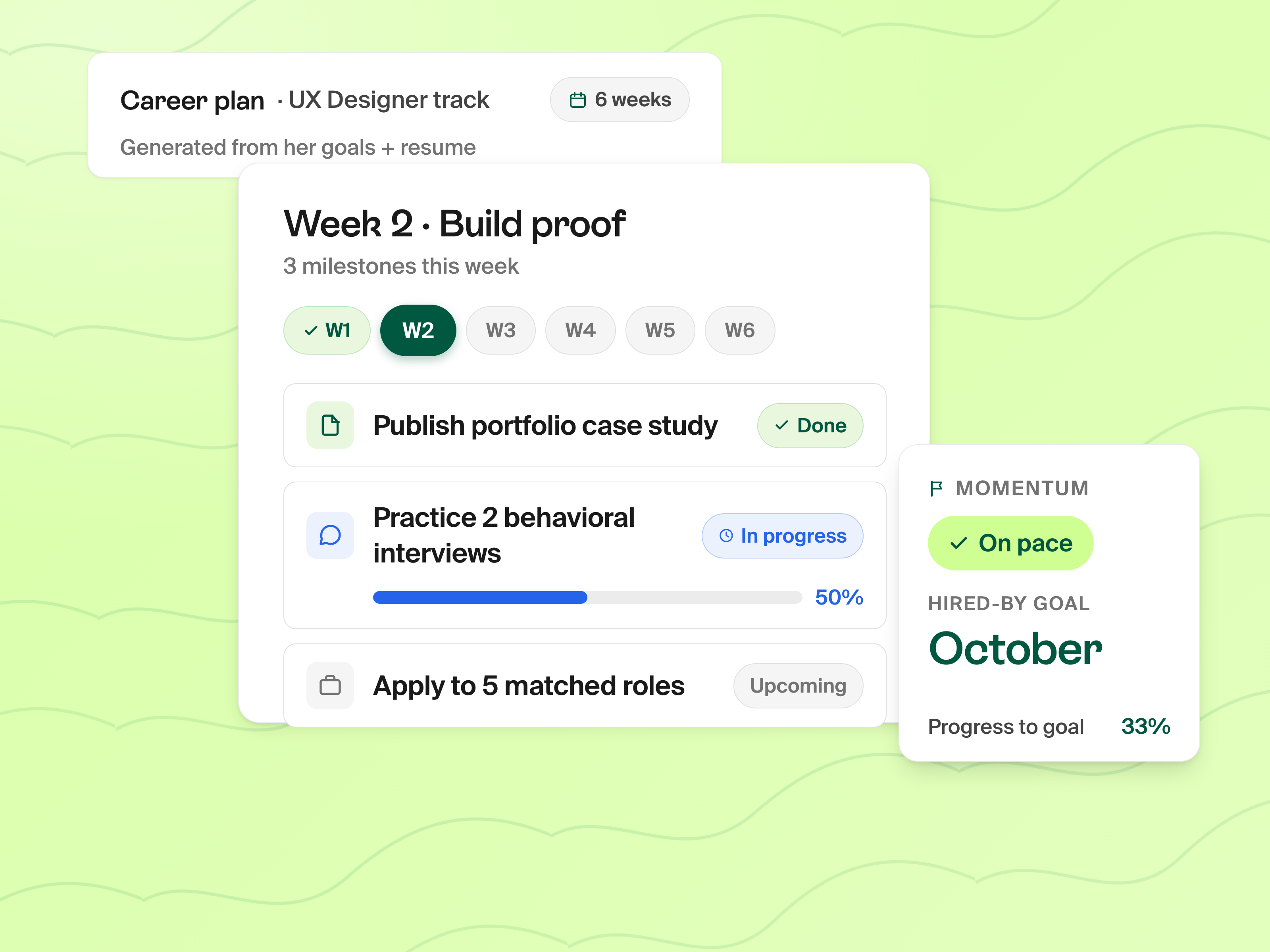
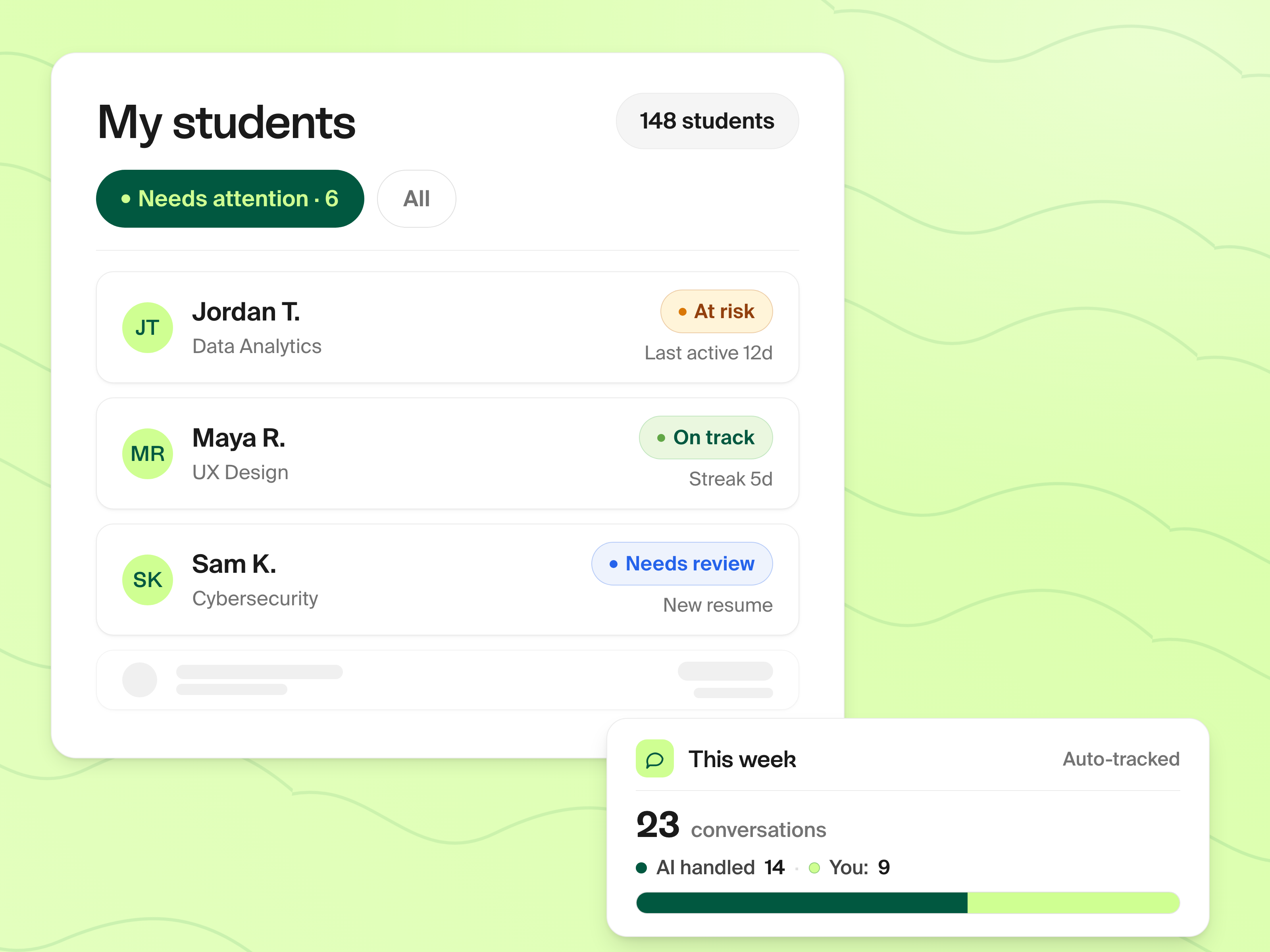
Student progress dashboard

Why schools start looking for Symplicity alternatives

The usual issue is not that Symplicity is broken. It is that career services teams need a modern, AI-first layer for the work between appointments: coaching, accountability, outcomes, and student action that legacy systems were never built to deliver.

  • Legacy career-center software was not designed for the AI era or the modern student.
  • Student engagement stalls when the platform depends on staff-driven workflows and portal logins.
  • Manual outcome collection is too slow for NACE, OBBBA, and accreditation pressure.
  • Implementation overhead is heavy, and teams want platforms that go live in weeks, not quarters.

The shortlist

The best Symplicity alternatives in 2026

Different tools win for different reasons. Here is the honest breakdown.

Prentus logo
#1

Prentus

Best for AI advising and student outcomes

Best for: Career services leaders who need AI advising, mock interviews, modern UX, and automated outcome tracking instead of another portal that students forget about.

Prentus is the strongest Symplicity alternative when the real problem is student engagement and proof of outcomes, not staff workflows. Every student gets a 24/7 AI career advisor, voice-based interview prep, tailored resume support, and LinkedIn-based outcome verification. The UX is modern and adoption happens in weeks, not quarters.

Tradeoffs: If your highest priority is on-campus recruiting administration or career-fair logistics, you may still keep a legacy operations system for those workflows and use Prentus for the engagement and outcomes layer.

Standout strengths
  • 24/7 AI career advisor for every student
  • Voice-based AI mock interviews
  • Automated LinkedIn outcome tracking for NACE and OBBBA workflows
  • Modern UX that students actually use, with weeks-not-quarters rollout
Open detailed comparison
Handshake logo
#2

Handshake

Best for employer recruiting marketplace

Best for: Schools that need a broad employer network, job-post distribution, and recruiter-facing posting workflows.

Handshake is the strongest alternative if your weakness with Symplicity is employer reach. It is built around the largest student-employer network in higher education and is recognized by recruiters at scale.

Tradeoffs: It is not built for AI advising or automated outcome verification. Engagement still depends on students remembering to visit a portal, and outcomes collection stays largely manual.

Standout strengths
  • Largest student-employer network
  • Recruiter-facing posting workflows
  • Strong job-fair coordination
Open detailed comparison
12twenty logo
#3

12twenty

Best for reporting and outcomes operations

Best for: Teams that want a mature reporting layer and recognized infrastructure for MBA and professional-school career operations.

12twenty is often evaluated by institutions that care about reporting depth and employer workflows. It is a serious operational alternative if Symplicity feels stale but you still want a traditional system.

Tradeoffs: It is still a traditional platform. It does not solve the AI-first engagement bottleneck and proactive student guidance is not its strength.

Standout strengths
  • Mature reporting infrastructure
  • Employer workflows and outcomes operations
  • Recognizable in MBA and professional-school contexts
Open detailed comparison
U
#4

uConnect

Best for content distribution

Best for: Teams that want a cleaner content and communications experience for career resources, events, and employer information.

uConnect helps career centers surface their existing content and make resources easier to discover. It is a useful awareness layer when Symplicity feels buried and students are not finding what already exists.

Tradeoffs: It is not a job-search execution platform and it is not an AI advising layer. It improves access to resources more than it changes student behavior or proves outcomes.

Standout strengths
  • Strong content hub for career centers
  • Improves discoverability of resources and events
  • Helpful complement when awareness is the problem
Open detailed comparison
G
#5

GradLeaders

Best for legacy graduate program recruiting

Best for: MBA and graduate programs that want a traditional recruiting workflow system with employer-facing tooling.

GradLeaders is a long-standing player in MBA and graduate-program career services. It is a familiar choice for teams comparing against Symplicity who want a recognized operational footprint.

Tradeoffs: It is not built around AI advising, modern student UX, or automated outcome verification. Teams looking for proactive engagement and faster time-to-value usually need more than GradLeaders alone.

Standout strengths
  • Established in graduate-program career services
  • Employer-facing recruiting workflows
  • Recognized operational footprint
Open detailed comparison

Why teams switch

What Prentus does that Symplicity does not

These are the three modules that move the needle once your legacy CSM is in place.

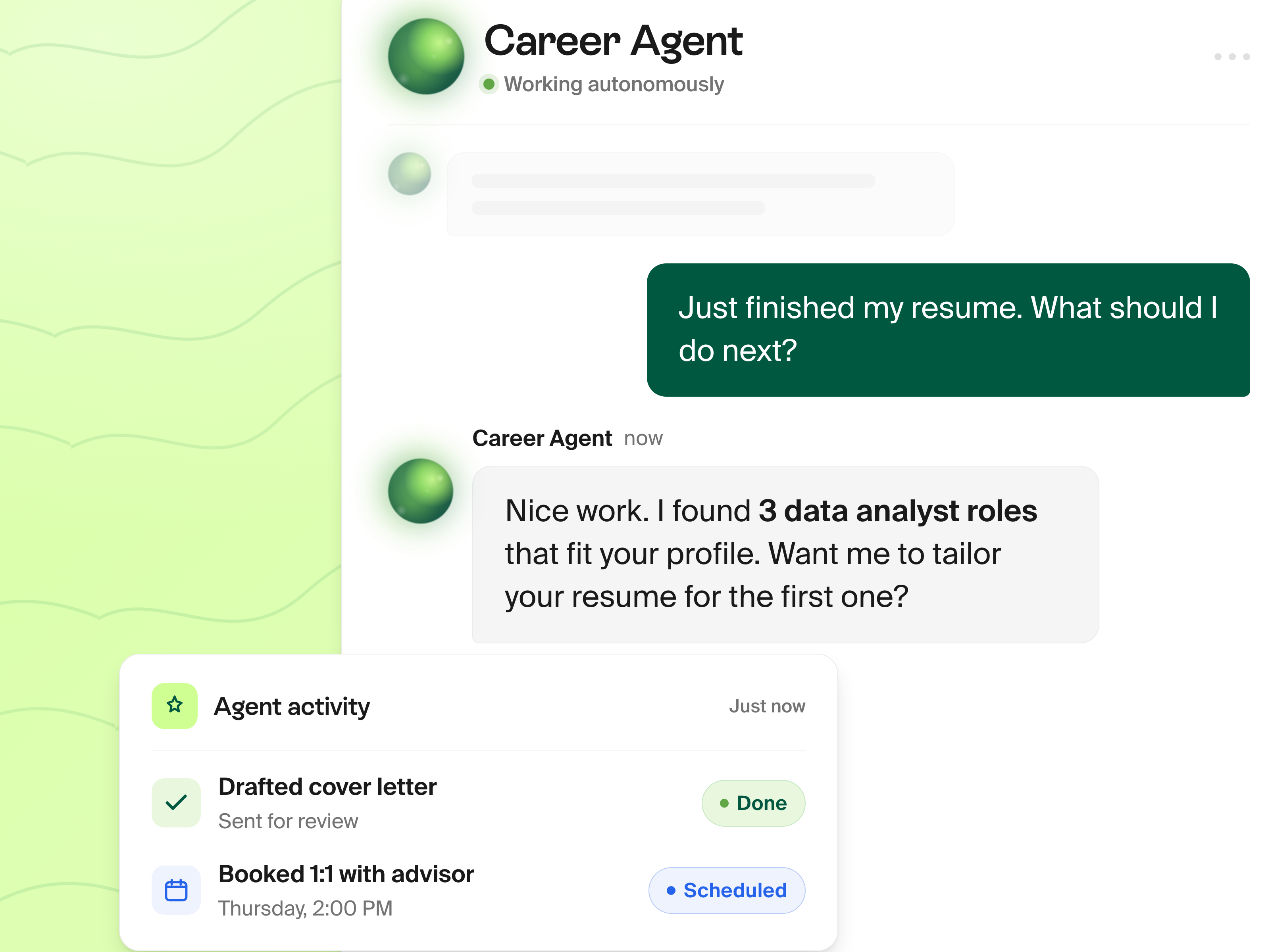
AI Career Advisor

Every student gets a 24/7 AI advisor

Symplicity is built around staff workflows. Prentus puts an AI advisor in front of every student, builds weekly career plans, sends proactive nudges, and drafts follow-up emails for your team.

  • 24/7 personalized guidance
  • Proactive nudges keep students engaged
  • Drafts follow-up emails for advisors
AI Career Advisor

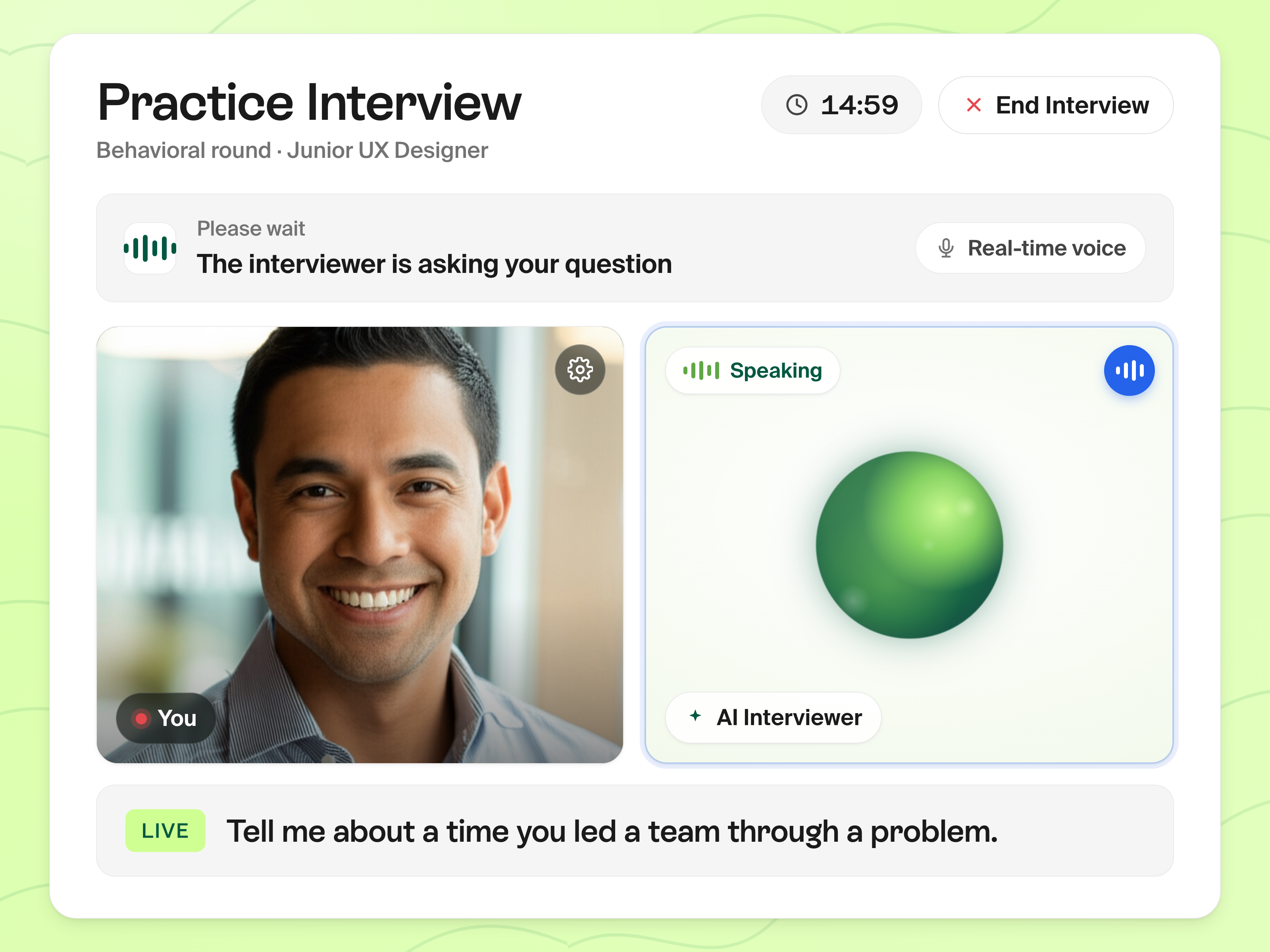
AI Mock Interviews

Voice-based interview practice from real job descriptions

Symplicity does not give students interview practice. Prentus gives students voice-based mock interviews with role-specific questions pulled from actual job descriptions, plus instant feedback on communication.

  • Voice-based realistic practice
  • Questions pulled from real job descriptions
  • Instant feedback on communication
AI Mock Interviews

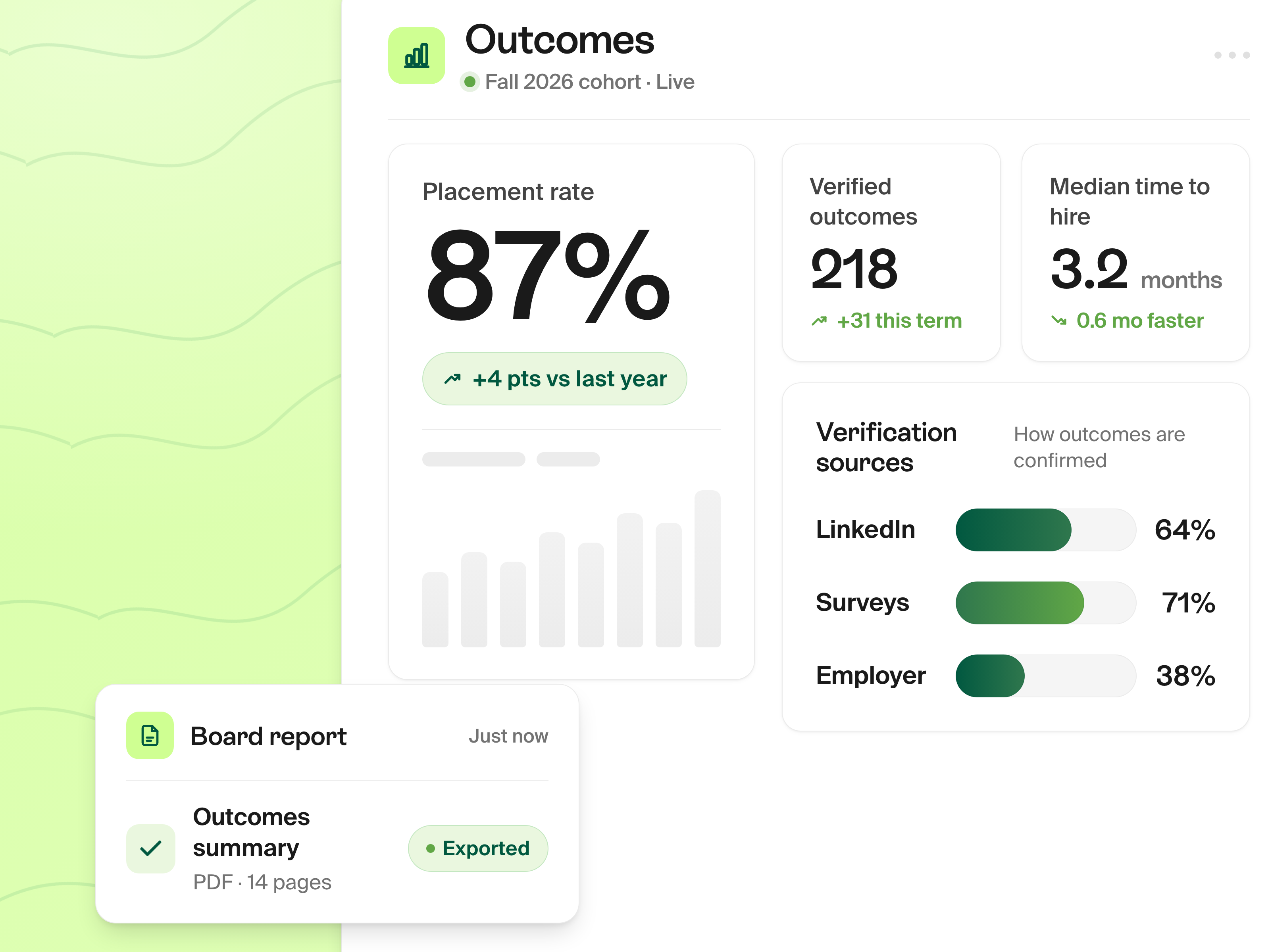
Outcome Tracking

Automated outcomes via LinkedIn, not surveys

Stop chasing alumni for first-destination data. Prentus pulls employment outcomes automatically through LinkedIn so you have audit-ready data for NACE, OBBBA, and accreditation, without admin overhead.

  • Automated LinkedIn-based outcome verification
  • Compliant for NACE and OBBBA reporting
  • No more manual survey chasing
Outcome Tracking

At-a-glance comparison

Where each platform actually wins.

Category
Prentus
Symplicity
Other alternatives
AI career advising
Full 24/7 AI advisor with context, nudges, and guided plans
No dedicated AI advising layer
Mostly limited or absent
Mock interview practice
Voice-based AI mock interviews
No
Usually partial or none
Outcome tracking
Automated via LinkedIn integration
Survey-heavy and admin-led
Mixed depending on platform
Career fair and employer ops
Good but not the primary center of gravity
Core strength
Handshake strongest here
Implementation time
Weeks
Months to a year
Varies by platform
Student engagement model
Proactive, AI-first, always-on
Portal plus staff workflows
Mixed depending on platform

What to look for in a real alternative

Student engagement beyond admin workflows

If a platform is built for staff to manage students rather than for students to act on their careers, usage stays shallow. The better alternatives create repeated interaction through AI guidance, tailored tasks, mock interviews, and proactive nudges.

Outcome tracking you can actually trust

A real alternative should help you collect employment outcomes with less manual chasing. This matters for NACE reporting, accreditation pressure, and the broader OBBBA and gainful-employment conversation.

Modern UX and time-to-value

Legacy systems ask for heavy setup, long rollouts, and slow change management. Modern AI-native platforms should earn their keep quickly, often inside a single semester.

Operational fit for your team

Some platforms are best for career-center operations and employer logistics. Others are best for student-facing coaching and outcomes. Be honest about which bottleneck is costing you more right now.

Prentus

Who should choose Prentus

  • Teams buried in low-capacity advising demand.
  • Student engagement matters more than legacy admin operations.
  • You need AI mock interviews, resume help, and outcome tracking in one flow.
  • Proving career outcomes is a board, accreditation, or compliance priority.

Start with AI career advising, add mock interviews, then layer in automated outcome tracking.

Symplicity

Who should keep Symplicity

  • On-campus recruiting administration is the center of your workflow.
  • Career fair logistics and employer coordination are core to your team.
  • Your staff workflows are deeply built around the existing system.
  • You plan to pair it with another student-engagement or AI layer.

That last path is common. Many schools keep Symplicity for operations and add Prentus for student activation, coaching, and outcomes.

Bottom line

If you want the best Symplicity alternative for student-facing career outcomes, choose the platform that drives engagement after the appointment is scheduled. That is where Prentus is strongest.

Keep Symplicity for operations if you need to. Add the AI engagement and outcomes layer on top. The point is fixing the bottleneck, not replacing a logo.

Frequently asked questions

What is the best Symplicity alternative for career services teams?

If your main issue is low student engagement, limited coaching capacity, or weak outcome visibility, Prentus is the strongest Symplicity alternative because it adds AI advising, interview prep, resume tools, and automated outcomes in one modern platform. If your main issue is employer recruiting and job-post distribution, Handshake is usually a better fit. If you mainly want reporting depth, 12twenty is worth considering.

Do schools usually replace Symplicity entirely?

It depends on what Symplicity is doing for you today. Some schools replace it outright with a modern platform. Others keep a legacy system for on-campus recruiting and career-fair logistics and bolt on a modern engagement layer like Prentus on top. The right answer depends on whether your bottleneck is operations or student follow-through.

Which Symplicity alternative is best for AI career coaching?

Prentus is the strongest option in this set for AI career coaching. It gives every student a 24/7 AI advisor, voice-based mock interviews, resume help, and guided job-search workflows rather than a portal driven by staff workflows.

What if I need stronger student engagement, not better admin workflows?

That is exactly where AI-native alternatives become more compelling. Symplicity was built for staff operations. If your goal is to drive student action between appointments, prove outcomes, and reduce advising load, Prentus is usually a better strategic fit.

How long does it take to switch from Symplicity to Prentus?

Most Prentus rollouts happen in weeks, not the months or full year that legacy CSM implementations often take. The platform is designed to go live within a single semester and start delivering student engagement and outcome data immediately.