Related reading: resume tips for new graduates, how to negotiate salary, and AI career coaching tools.
Most people do not lose interviews because they lack qualifications. They lose them because they did not prepare effectively. The gap between a candidate who is qualified and a candidate who interviews well is almost entirely a preparation gap. The good news is that interview skills are learnable, and this guide covers exactly how to build them.
What is the best way to prepare for a job interview?
The best way to prepare for a job interview is structured practice: researching the company and role, preparing specific examples using the STAR method, practicing answers aloud, and running mock interviews to build confidence. Most candidates who underperform in interviews are qualified for the role but underprepared for the conversation. Interview skill is learnable, and the candidates who practice deliberately outperform those who rely on improvisation.
Start with Research, Not Rehearsal
Before you practice a single answer, you need to understand what the interviewer is actually looking for. That means going beyond a surface read of the job description.
- Study the job description line by line. Highlight the skills and responsibilities that appear multiple times. Those are the priorities. Your answers should address them directly.
- Research the company beyond its homepage. Read recent press coverage, check their LinkedIn posts, look at Glassdoor reviews. Understanding their culture and current challenges lets you tailor your answers to what they actually care about.
- Look up your interviewer on LinkedIn. Understanding their background helps you find common ground and anticipate the types of questions someone in their role would ask.
Master the STAR Method (Then Go Beyond It)
The STAR method is the most widely recommended framework for behavioral interview questions, and for good reason. It gives your answers a clear structure that interviewers can follow. STAR stands for:
- Situation. Set the scene briefly. Where were you? What was the context?
- Task. What was your specific responsibility or challenge?
- Action. What did you do? This is the core of your answer and where most people fall short by being too vague.
- Result. What happened? Quantify the outcome when possible. Numbers are memorable.
Here is where most advice stops. But there is a fifth element that separates good answers from great ones: the takeaway. After sharing the result, briefly explain what you learned or how the experience shaped your approach going forward. This shows self-awareness and growth, two things interviewers value highly.
The difference between a forgettable answer and a compelling one is specificity. Replace "I improved the process" with "I reduced onboarding time from three weeks to five days by creating a self-serve training portal."
The Five Mistakes That Cost Candidates the Most
After working with hundreds of students and early-career professionals on interview preparation. The Bureau of Labor Statistics Occupational Outlook can help you understand industry trends before your interview, these are the patterns that show up most often:
1. Answering the question you prepared for, not the one being asked
When you have rehearsed stories, it is tempting to shoehorn them into whatever question comes up. Interviewers notice. Listen carefully, take a beat to think, and make sure your answer actually addresses what was asked. It is completely acceptable to pause for a few seconds before responding.
2. Speaking in generalities instead of specifics
"I'm a team player" means nothing without evidence. "I organized weekly standups across three departments to resolve a billing discrepancy that was costing the company recurring revenue" means everything. Every claim should have a concrete example behind it.
3. Not asking questions (or asking only generic ones)
The "do you have any questions for us?" portion is not a formality. It is part of the evaluation. Asking thoughtful questions about the team's current challenges, how success is measured in the role, or what the interviewer personally enjoys about working there demonstrates genuine interest and critical thinking.
4. Rambling past the two-minute mark
Strong answers typically land between 60 and 120 seconds. If you are going past two minutes on a single response, you are likely including unnecessary detail. Practice timing yourself. If your answer runs long, cut the setup shorter and get to the action and result faster.
5. Failing to prepare for "Tell me about yourself"
This is almost always the first question, and it sets the tone for the entire conversation. Your answer should be a 60-second narrative that connects your background to why you are sitting in this interview for this specific role. It is not your life story. It is a strategic introduction.
Body Language That Builds Trust
Nonverbal communication accounts for a significant portion of how interviewers form impressions. You do not need to be a body language expert, but there are a few fundamentals that make a real difference:
- Maintain comfortable eye contact. You do not need to stare, but looking away too often signals discomfort or disinterest. In virtual interviews, look at the camera when speaking, not at the screen.
- Sit upright with open posture. Leaning slightly forward conveys engagement. Crossing your arms or leaning back conveys the opposite, even if you do not intend it.
- Use your hands naturally. Controlled gestures help emphasize key points. Keeping your hands completely still or fidgeting both work against you.
- Smile when appropriate. Especially at the beginning and end. First and last impressions carry disproportionate weight.
The Follow-Up That Actually Gets Remembered
Most candidates send a generic thank-you email. A strong follow-up does three things: it thanks the interviewer for their time, references something specific from the conversation (proving you were listening), and reinforces one key reason you are a strong fit for the role.
Send your follow-up within 24 hours. If you interviewed with multiple people, send individualized notes to each one. A personalized follow-up takes five extra minutes and puts you ahead of most other candidates who send nothing or send a template.
Practice Like It Is Real
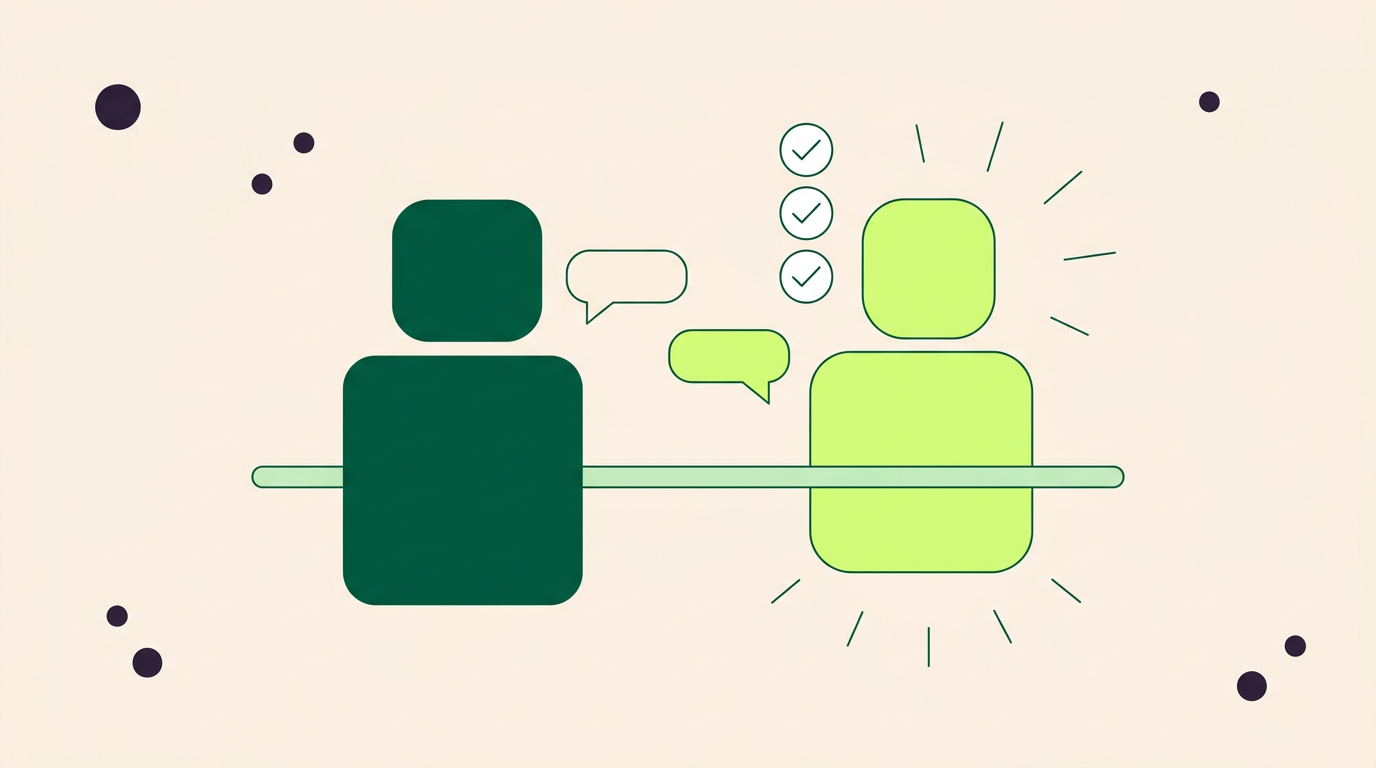
Reading interview tips is a starting point, but it is not preparation. Preparation is practicing out loud, under conditions that approximate the real thing. That means speaking your answers verbally (not just thinking through them), timing yourself, and ideally getting feedback from someone else.
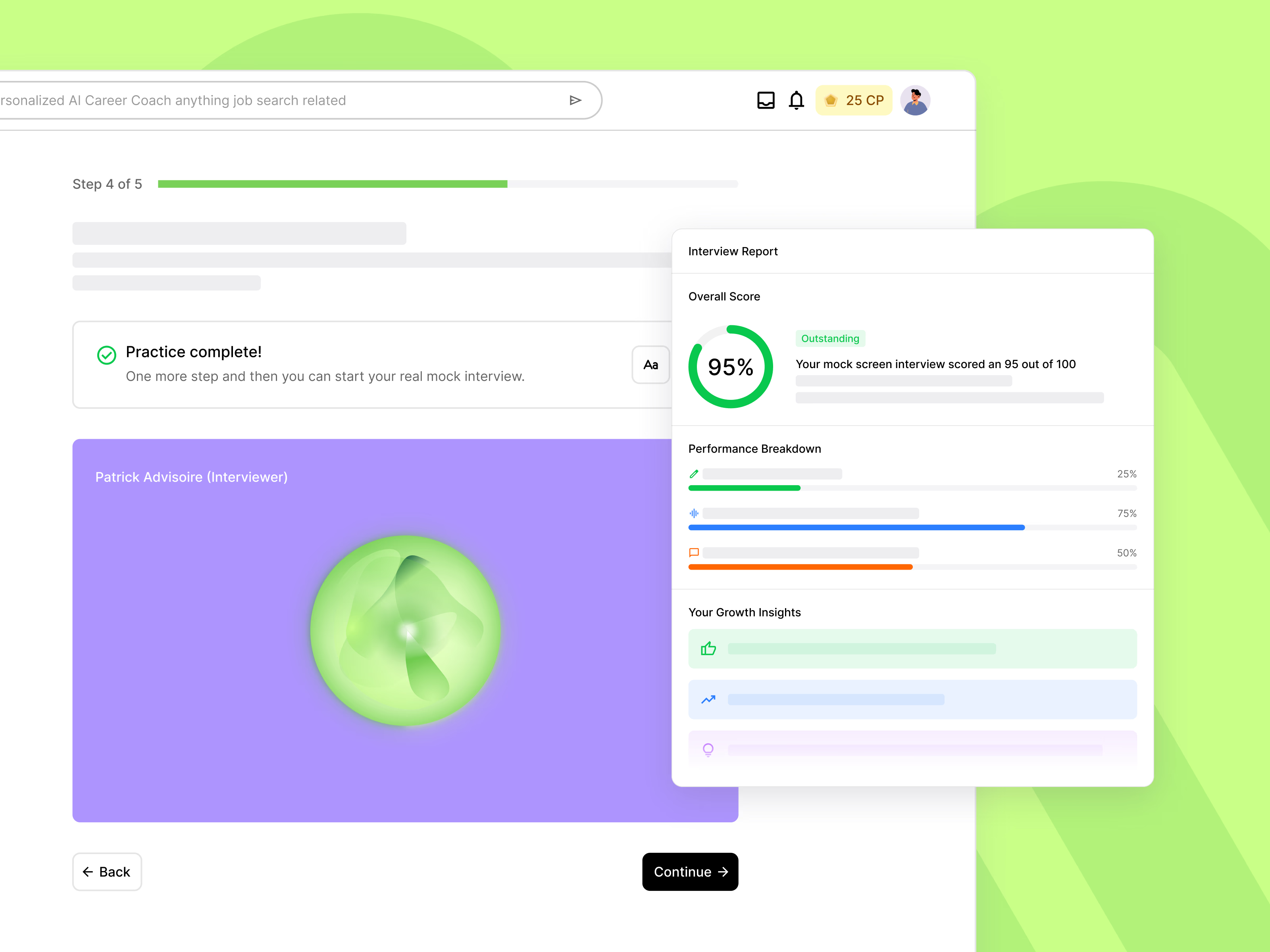
This is where AI practice tools are changing the game. Instead of coordinating schedules with a friend or advisor, you can run a full mock interview on your own time. Voice-based AI interviewers ask follow-up questions, create realistic pressure, and deliver feedback on both the content and delivery of your answers. It is the closest thing to the real experience without the real stakes.
If your school or institution offers access to AI-powered mock interviews, take advantage of it. Do at least three practice sessions before any interview you care about. Each round will surface something you can improve, and by the third session, your confidence will be noticeably different.
Your Pre-Interview Checklist
In the 24 hours before your interview, make sure you have covered these essentials:
- Three to five STAR stories prepared and practiced out loud
- A 60-second "tell me about yourself" answer polished and timed
- Three thoughtful questions to ask the interviewer
- Company research completed (recent news, team structure, products)
- Technology tested (camera, microphone, internet connection for virtual interviews)
- Professional outfit ready (even for video calls, dress fully)
Interviews reward preparation more than talent. The candidates who get offers are not always the most experienced ones. They are the ones who showed up ready, communicated clearly, and made the interviewer feel confident that they would be a strong addition to the team. That is a skill anyone can build.